
Optimal Timing for Fire Restorations
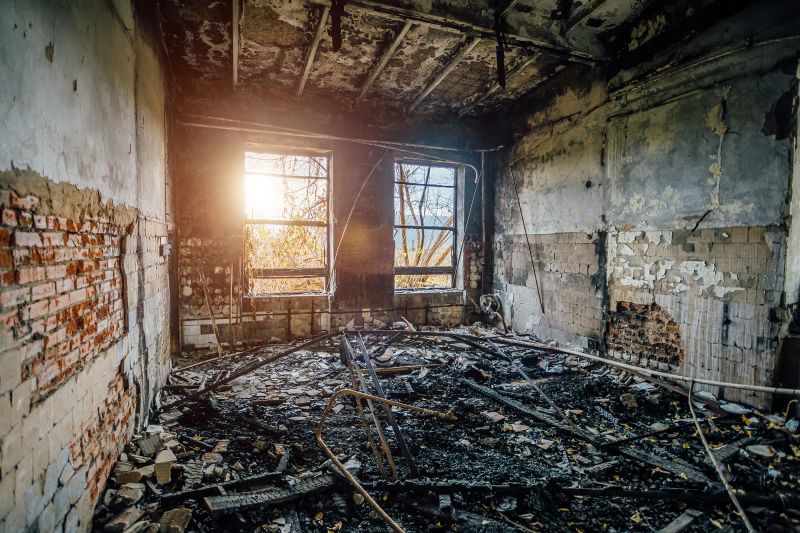
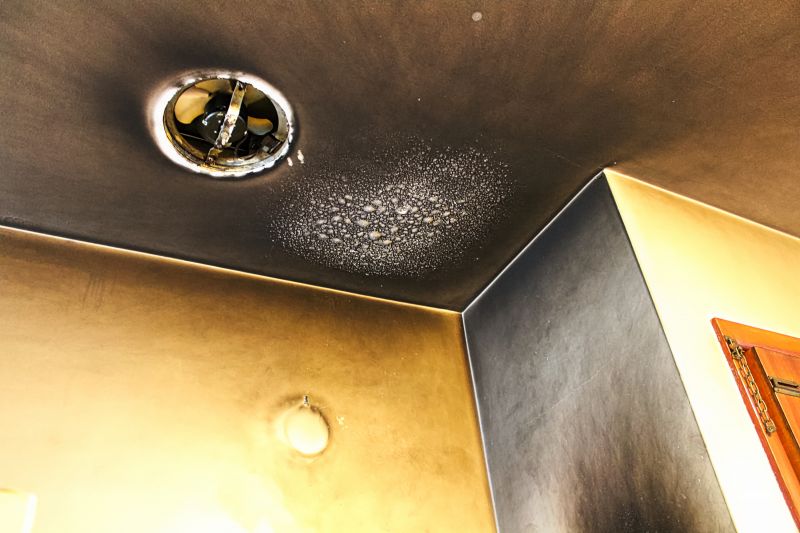
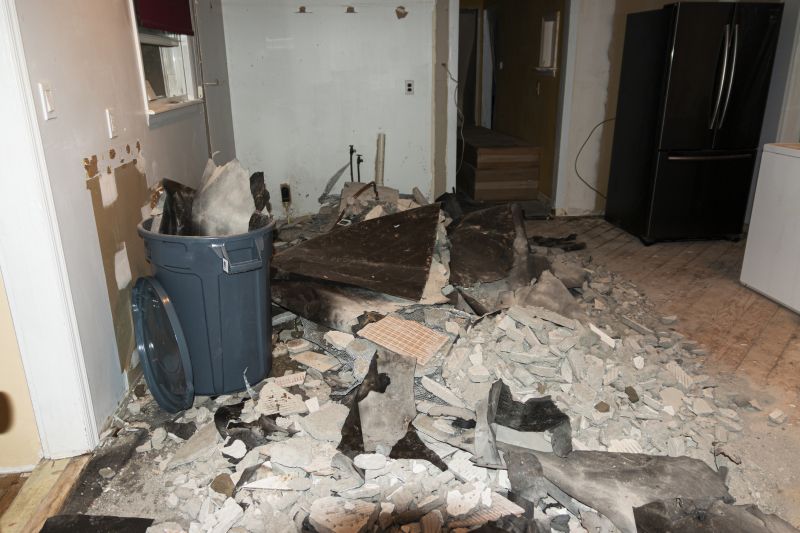
Fire restorations are most effective when performed promptly after a fire incident. Addressing fire damage quickly can prevent further deterioration and reduce restoration costs. The timing depends on factors such as fire severity, weather conditions, and property access.
Restoring fire-damaged property as soon as possible minimizes structural damage and mold growth.
Spring and fall often offer favorable weather for restoration work, avoiding extreme cold or heat.
Dry, mild weather conditions facilitate quicker and safer restoration processes.
Restorations initiated within the first 24-48 hours are typically most successful.
Ways to make Fire Restorations work in tight or awkward layouts.

Popular materials for Fire Restorations and why they hold up over time.

Simple add-ons that improve Fire Restorations without blowing the budget.

High-end options that actually feel worth it for Fire Restorations.
Finishes and colors that play nicely with Fire Restorations.

Little measurements that prevent headaches on Fire Restorations day.

A 60-second routine that keeps Fire Restorations looking new.

A frequent mistake in Fire Restorations and how to dodge it.

Small tweaks to make Fire Restorations safer and easier to use.
Lower-waste or water-saving choices for Fire Restorations.

The short, realistic tool list for quality Fire Restorations.

Rough timing from prep to clean-up for Fire Restorations.
| Factor | Impact on Fire Restorations |
|---|---|
| Weather Conditions | Mild, dry weather facilitates faster work |
| Fire Severity | More extensive damage requires longer restoration time |
| Property Access | Ease of access speeds up cleanup and repairs |
| Promptness of Response | Early intervention improves outcomes |
| Seasonal Timing | Spring and fall often offer optimal conditions |
| Availability of Resources | Access to restoration equipment influences timing |
| Structural Complexity | Simple structures restore faster than complex ones |
Understanding the optimal timing for fire restorations can lead to more efficient recovery and cost savings. Initiating restoration efforts promptly after a fire incident is essential for minimizing damage and restoring property functionality. Proper planning considering seasonal and weather factors enhances the effectiveness of the process.
Quick checks and paperwork to keep after Fire Restorations.
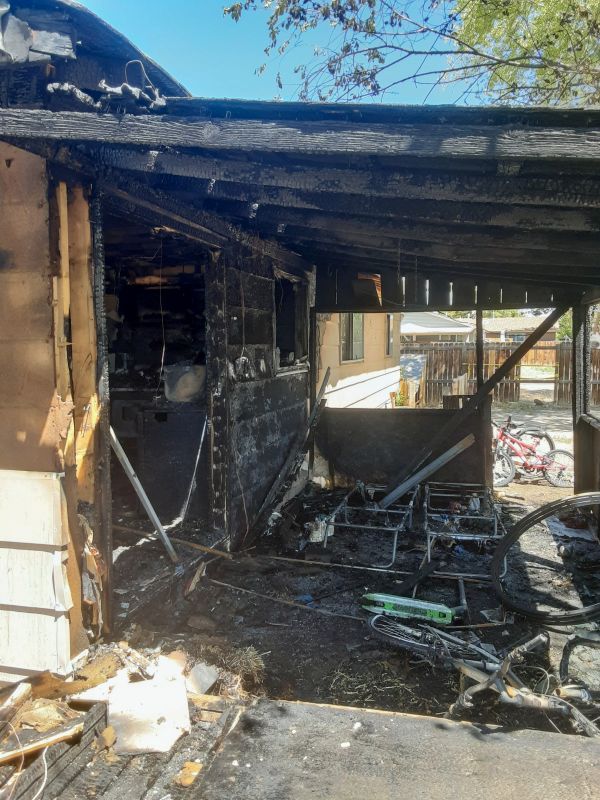
Examples that show the impact a good Fire Restorations can make.
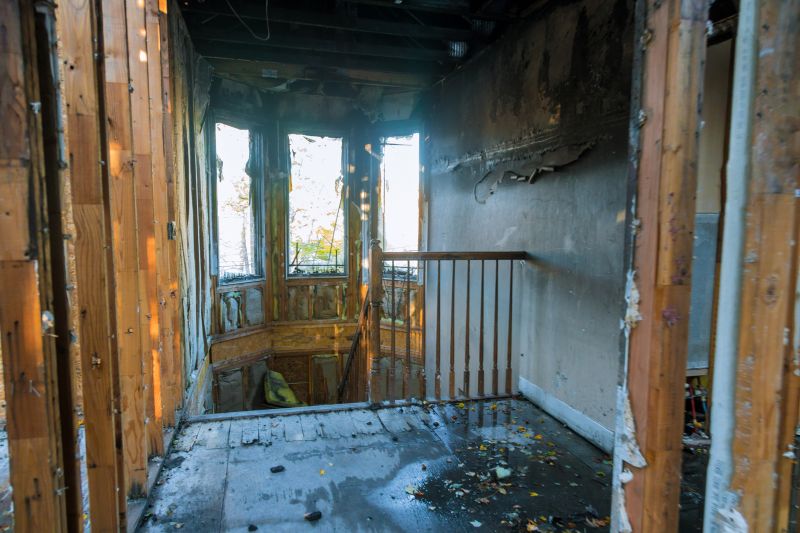
Ways to make Fire Restorations work in tight or awkward layouts.
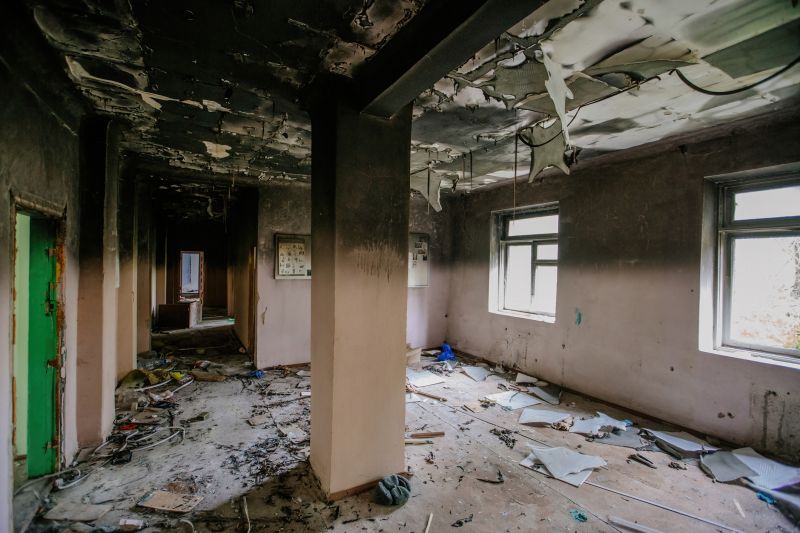
Ways to make Fire Restorations work in tight or awkward layouts.
Interested property owners are encouraged to contact for more information on fire restoration services. Timely action can help preserve property value and ensure safety after fire incidents.