
Ultimate Fire Restoration Tools For Restoring Property Integrity
Identify high-performance products that assist in restoring safety and structure after fire destruction.
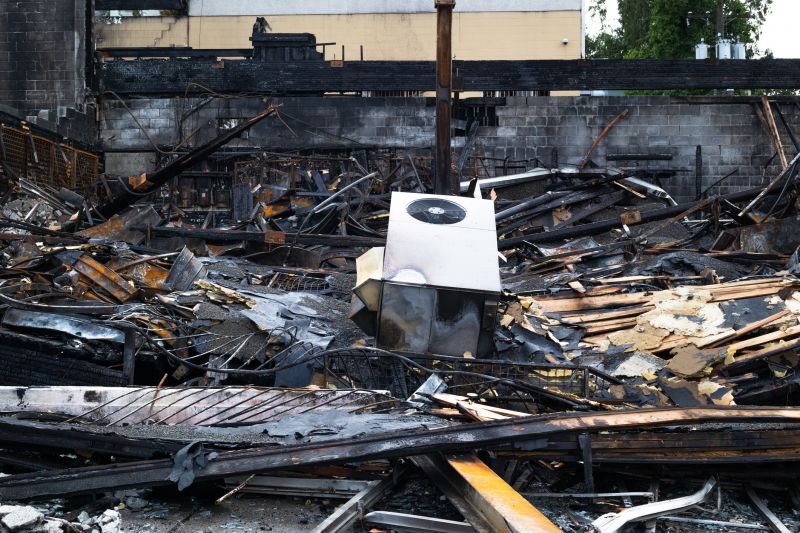 Fire restoration products are essential for effectively addressing the aftermath of fire incidents, helping to restore safety and integrity to affected properties. These products encompass a wide range of solutions designed to clean, neutralize, and repair damage caused by smoke, soot, heat, and flames. Proper selection and application of these materials are crucial for minimizing long-term damage and ensuring a safe environment. Fire restoration involves not only cleaning surfaces but also addressing structural concerns, odor removal, and material restoration, which require specialized products tailored to each task.
Top Overall Option
Fire Damage Restoration Cleaning Kit
A comprehensive cleaning kit designed specifically for fire damage scenarios, including soot removers, odor neutralizers, and protective gear. It provides a versatile solution for both professional restorers and DIY enthusiasts aiming to address smoke and residue effectively.
Types of Products For Fire Restorations
Soot and Smoke Cleaners
Specialized solutions formulated to remove soot and smoke residues from various surfaces, including walls, ceilings, and furnishings.
Odor Neutralizers
Products designed to eliminate persistent fire odors from indoor environments, often using enzymatic or chemical agents.
Fire-Resistant Sealants
Sealants used to contain fire and smoke damage, prevent further spread, and protect structural elements.
Structural Fire-Resistant Insulation
Insulation materials that resist fire spread, providing added safety during restoration.
Water and Moisture Absorbers
Products to control excess moisture from firefighting efforts, preventing mold growth and material deterioration.
Fire-Resistant Drywall
Special drywall designed to withstand high temperatures and prevent fire spread within structures.
Protective Personal Equipment
Gear such as masks, gloves, and coveralls to ensure safety during cleanup and repair operations.
Fire-Resistant Paints
Paints formulated to resist ignition and slow fire spread on walls and ceilings.
Soot Sponges and Erasers
Tools for gentle removal of soot from delicate surfaces without damaging the material.
Fire Damage Repair Adhesives
Specialized adhesives for structural repairs and material bonding after fire damage.
Fire-Resistant Flooring
Flooring options designed to resist ignition and provide additional safety in fire-prone areas.
Smoke Ventilation Fans
Equipment used to ventilate and remove smoke from enclosed spaces during restoration.
Electrostatic Cleaners
Tools that use electrostatic charge to attract and remove soot and dust particles efficiently.
Fire-Resistant Coatings
Protective coatings applied to structural elements to enhance fire resistance.
Thermal Imaging Cameras
Devices used to detect heat signatures and identify hidden fire damage or hotspots during restoration.
Fire Damage Assessment Kits
Tools and supplies for evaluating the extent of fire damage before beginning restoration work.
Popular Choices
Highly used products for neutralizing lingering smoke smells in residential and commercial spaces.
Commonly chosen tools for dry soot removal from surfaces without harsh chemicals.
Frequently installed during structural repairs to enhance safety and fire resistance.
Popular for their ability to absorb and neutralize indoor fire odors naturally.
Complete kits that include various cleaning and repair products for comprehensive restoration.
Effective tools for cleaning soot from delicate surfaces with minimal damage.
Applied frequently for added fire safety in residential and commercial properties.
Commonly used equipment to improve indoor air quality during cleanup.
Essential gear for safety during soot and chemical cleaning processes.
Popular for sealing cracks and joints to prevent fire and smoke spread.
Key appliances for managing excess moisture after firefighting efforts.
Widely used for assessing hidden heat sources and damage during restoration.
Popular choices for flooring that offers enhanced safety in fire-prone areas.
Devices and kits used by professionals to evaluate damage severity.
In fire restoration, the initial focus often involves soot and smoke removal. Specialized cleaning agents and deodorizers are used to eliminate persistent odors and residues. Structural repairs may necessitate the use of fire-resistant materials, sealants, and insulation to prevent further damage and ensure safety. Additionally, moisture control products become vital if water or firefighting foam was used during the incident, as excess moisture can lead to mold growth and further deterioration.
Choosing the right products depends on the extent of the damage, the types of materials affected, and specific safety considerations. Professionals often rely on a combination of chemical cleaners, protective gear, and repair materials to achieve comprehensive restoration. Proper training in handling these products is essential to ensure safety and effectiveness. For property owners and restoration specialists in Glenview, IL, understanding the available options can facilitate more informed decisions and better outcomes when addressing fire-related damages.
Key Buying Considerations
- Extent of fire and smoke damage to determine appropriate products.
- Compatibility of cleaning agents with various surfaces and materials.
- Safety features of protective gear and handling instructions.
- Effectiveness of odor neutralizers for persistent smells.
- Fire resistance ratings of structural repair materials.
- Moisture control capabilities to prevent mold growth.
- Ease of application and user-friendliness of products.
- Durability and longevity of fire-resistant materials.
- Environmental conditions of the affected space, such as ventilation needs.
- Compliance with safety standards and regulations.
- Availability of professional support or instructions for complex repairs.
- Cost considerations balanced with product efficacy.
- Compatibility with existing building materials and systems.
- Potential need for specialized equipment like thermal cameras or fans.
- Impact of products on indoor air quality during and after restoration.